
Empowering Young Learners Through the IB Primary Years Programme
At Nam Sung Elementary School, learning goes far beyond textbooks and traditional classroom teaching. As an authorized International Baccalaureate Primary Years Programme (PYP) World School, the institution places strong emphasis on learner agency, encouraging students to take ownership of their education, ask meaningful questions, and become active participants in solving real-world problems.
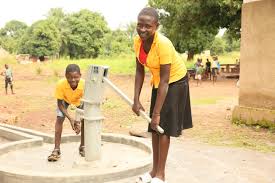
One inspiring example of this approach is the Grade 4 project titled “Bringing Clean Water to South Sudan.” The initiative demonstrates how inquiry-based learning can inspire young learners to create positive global change while developing critical 21st-century skills.
A Story That Sparked Global Awareness
The project began during a Unit of Inquiry lesson when Grade 4 students explored the book A Long Walk to Water. The novel, based on true events in South Sudan, highlights the daily struggles many children face in accessing clean drinking water.
As students learned about communities where children walk long distances simply to collect water, they became deeply curious about global water inequality and humanitarian challenges.
This emotional connection inspired an important student-driven question:
“How can we make a difference?”
Instead of simply discussing the issue theoretically, students wanted to take action and contribute to a real solution.
Teachers as Facilitators, Not Just Instructors
A defining feature of the IB Primary Years Programme is its student-centered learning philosophy. At Nam Sung Elementary School, teachers acted as facilitators who guided students through discussion, reflection, collaboration, and inquiry rather than providing direct answers.
This learning environment encouraged students to:
- Think critically
- Share ideas openly
- Work collaboratively
- Reflect on their learning
- Develop creative solutions
By allowing students to lead the learning process, the school fostered independence, confidence, and problem-solving abilities.
This approach aligns closely with the core values of inquiry-based education, where curiosity becomes the foundation for meaningful learning experiences.
Turning Classroom Inquiry into Meaningful Action
After identifying the issue, the students began brainstorming ways to support clean water access in South Sudan.
At first, their ideas were simple. However, through teamwork, teacher guidance, and collaborative discussions, the students gradually developed a stronger and more impactful fundraising plan.
The project proposal was then presented to the Student Council (STUCO), where it was officially approved through a student vote. This democratic process empowered learners even further by showing that their voices and ideas truly mattered within the school community.
As a result, students became even more motivated and invested in the initiative.
A Creative Fundraising Campaign with a Purpose
To raise awareness, students launched a school-wide campaign using morning announcements and classroom discussions to educate peers about the global water crisis and sanitation challenges.
What made the fundraising initiative especially unique was its creative approach.
Rather than asking students to simply donate money, participants were encouraged to complete household chores or acts of service at home in exchange for contributions from family members. This method helped students understand the value of effort, responsibility, and community participation.
The campaign successfully combined social responsibility with active learning.
Supporting Clean Water Access in South Sudan
All funds raised through the project were donated to Water for South Sudan, a nonprofit organization dedicated to building wells, improving sanitation systems, and providing hygiene education in South Sudanese communities.
By contributing to a real humanitarian organization, students could clearly see how their efforts connected to meaningful global impact.
This experience transformed learning from a classroom activity into authentic action that supported communities beyond their own country.
Building Essential 21st-Century Skills
Beyond fundraising, the project helped students develop valuable lifelong skills that are increasingly important in modern education.
Through the initiative, learners strengthened:
- Communication skills
- Collaboration abilities
- Leadership qualities
- Critical thinking
- Problem-solving skills
- Empathy and compassion
Perhaps most importantly, students developed a stronger understanding of global citizenship and learned that collective action—no matter how small—can create meaningful change.
Why Inquiry-Based Learning Matters in Modern Education
Projects like “Bringing Clean Water to South Sudan” highlight the true power of inquiry-based learning within the IB curriculum framework.
Unlike traditional education models that focus primarily on memorization, inquiry-based education encourages students to:
- Explore real-world issues
- Ask thoughtful questions
- Conduct research
- Take meaningful action
- Reflect on outcomes
This educational model helps students become active learners who are prepared to address future social, environmental, and global challenges.
As schools worldwide continue shifting toward student-centered education, the IB Primary Years Programme remains a leading example of how academic learning can connect directly to real-world impact.
Inspiring the Next Generation of Global Citizens
The success of this project at Nam Sung Elementary School demonstrates that even young learners can make a difference when given the opportunity, support, and freedom to explore important issues.
By combining empathy, inquiry, collaboration, and action, the students not only contributed to improving access to clean water in South Sudan but also gained experiences that will shape them into compassionate and responsible global citizens.
Their journey reflects the future of education—one where learning is not confined to classrooms but extends into communities, real-world challenges, and meaningful global action.